

3
Aug
August 3, 2026
Reducing Value Analysis Complexity
Switching contracts is the easy part. Product adoption and acceptance is the challenge.
Hospitals have many valuable reasons for evaluating new wound closure solutions. Price is usually the initial driver, but patient outcomes are equally important. Even when a topical skin adhesive is clinically equivalent or better, successful adoption can face resistance in different surgical departments. New techniques, subtle application differences, and ingrained habits can all slow momentum if teams aren’t supported through the transition.
That’s where clinical education support can improve adoption rates and clinician satisfaction.
Adoption doesn’t happen at GPO or Distribution contract signing. Adoption happens the ORs.
Training and Consistency Are What Make the Difference
One of the biggest barriers to adoption in wound closure is insufficient clinical training around application differences. Even small technique changes can impact outcomes, which is why consistency matters.
Chemence addresses this head‑on through structured clinical training and in‑servicing, designed to support the various departments throughout a hospital. Our clinical experts don’t show up once and disappear. For new facilities, our onboarding approach can include regular on‑site visits during the early transition period to reinforce best practices, observe use in real clinical settings, and answer questions as they arise.
This ongoing presence ensures clinicians gain confidence quickly and apply the product correctly every time because performance challenges are almost always tied to application, not the adhesive itself.
“Performance issues aren’t product failures, they’re training gaps we can fix.” Nick Jolly, Clinical education.
Addressing Perceived Value and Resistance to Change
Change in the OR or procedure room can meet understandable resistance, especially when teams feel a current solution is “good enough.” Chemence clinical teams work alongside supply chain, value analysis, and frontline clinicians to clearly communicate value over time not just once.
This includes reinforcing:
- Proper application delivers performance that is “the same or better”
- Exofin topical skin adhesive is clinically equivalent to established alternatives
In hundreds of evaluations, clinicians maintain an 85% or higher satisfaction level with Exofin products after clinical education.
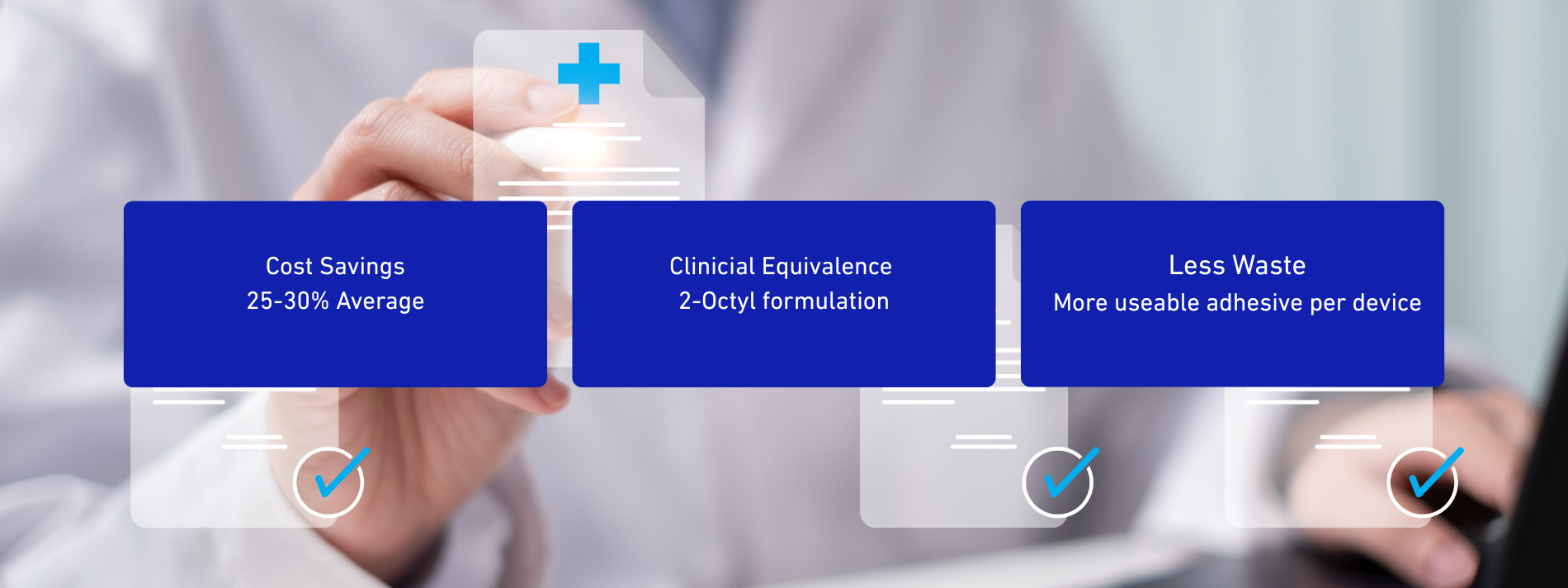
The value extends beyond the product support impacts outcomes and the hospital bottom line. Frequent communication and transparent education help teams understand not just what changed, but why the device change matters
A Clinical Team that Partners with you On-Site, As Needed
Chemence’s clinical team is built to support long‑term success, not one‑time implementation. We see ourselves as partners in wound closure embedded in your process, invested in your outcomes, and accountable for adoption.
- On‑site clinical training and in‑servicing
- Reinforcement visits to ensure consistency
- Hands‑on support during onboarding of clinical teams
- Ongoing education when workflows, staff, or needs change
We don’t believe in “one and done.” We’re there as long as it takes to make the transition successful for your facility.
Behind Every Successful Transition Is the Right Support System
Product switches will always come with questions and challenges. Chemence exists to remove friction from that process through expert clinical training, consistent presence, and a focus on wound closure nothing else.
Because when clinical teams feel confident, consistency follows. And that’s when real adoption happens.